Style stories
Kate Lovejoy Interiors takes a closer look at how sustainable interior design can shape more intentional homes.
Introduction To Sustainable Interior Design
Sustainability comes up a lot in conversations at the studio at the moment. Not as a trend to chase, but as a natural extension of how we already design.
After years of fast interiors and disposable choices, there is a noticeable shift. Clients are asking better questions. Designers are slowing things down. Sustainability feels less about labels and more about long term thinking.
For me, it is not about swapping everything for a greener version. It is about how we design, how we plan, and how homes evolve over time.
A beautiful result still matters. How we get there matters just as much.
Starting With What Already Exists
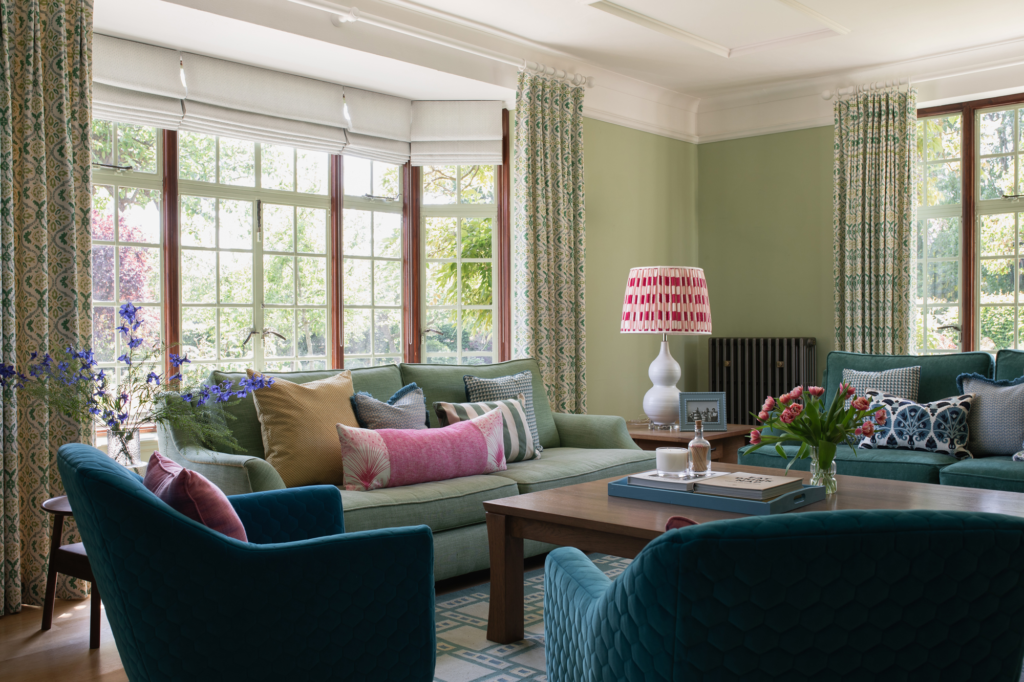
One of the most sustainable things you can do is reuse and adapt what you already own. That might mean reworking a layout instead of starting again. Reupholstering a sofa you love. Designing joinery that can change function as life changes. We often encourage clients to pause before replacing. Ask what could be reimagined. These quieter decisions tend to lead to homes that feel more settled and personal. Buying well and buying once still holds true.
Choosing Pieces Designed To Last
When we do bring new pieces into a home, longevity is key. We look for makers who build furniture with care, where frames are solid, covers can be replaced, and designs are not driven by short term fashion. Brands like Edward Waring have always worked this way. More recently, we visited Schplendid, a newer sofa and armchair company doing things properly from the start. Sustainability is part of their process, not an add on. And importantly, the comfort really is there. These are pieces designed to stay put.
Energy Use Starts With Design
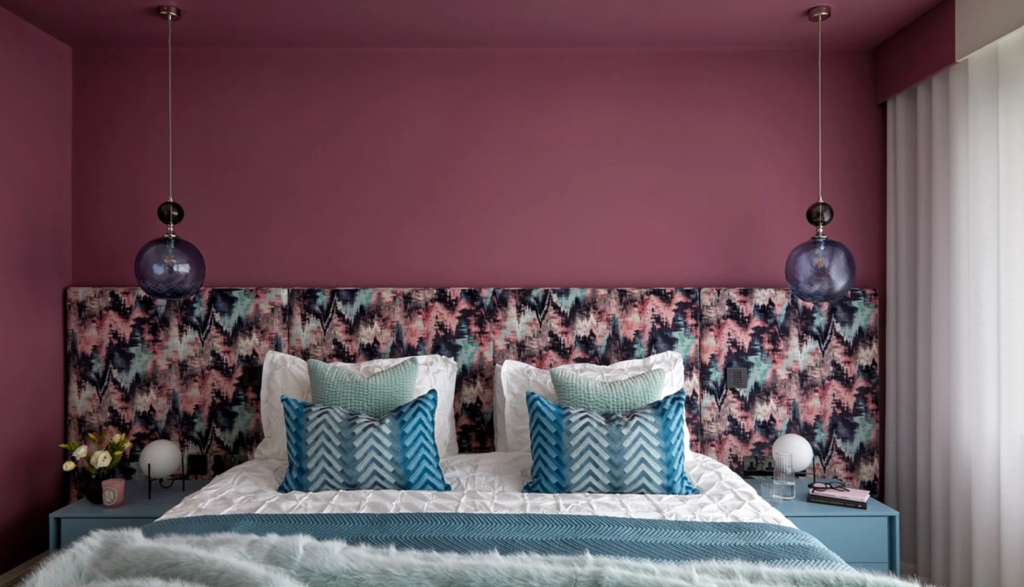
Sustainability is not only about materials. It also lives in how a home works. We think carefully about natural light, insulation, window treatments, and how rooms are arranged. Thick curtains, rugs, layered lighting and thoughtful layouts all help reduce energy use without feeling technical or forced. Good design should quietly support daily life.
Homes That Support Wellbeing
A sustainable home should support the people living in it. That means cleaner air, softer acoustics, considered lighting and materials that feel grounding. Wood, linen, wool, clay, plants. Choices that feel good to live with, not just good on paper. This is not about perfection. It is about making choices that support you over time.
Keeping The Bigger Picture Manageable
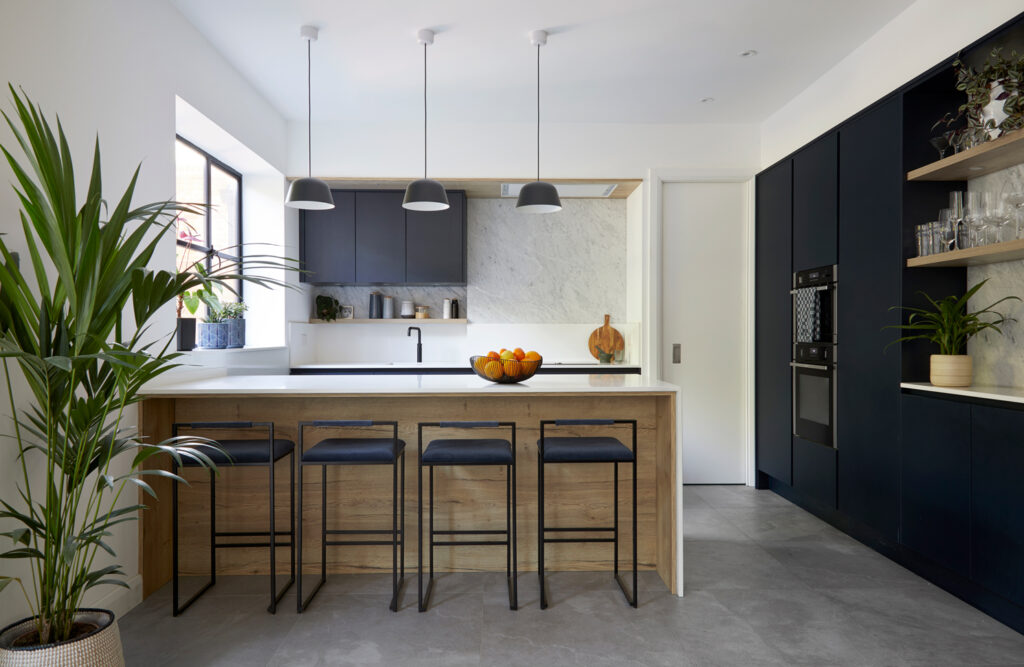
Sustainable interior design does not mean doing everything at once. You might start by reusing a piece you already own. Or choosing one well made item instead of several quick fixes. Or simply designing with more intention. This is the heart of sustainable interior design. Homes built to last tend to feel calmer, more cohesive, and less reactive to trends. They grow with you rather than needing constant change. That is the kind of sustainability we believe in. Thoughtful, realistic, and deeply human.
Ready To Take The Next Steps?
Ready to Take the Next Steps?
If you’re thinking about creating a more sustainable home but want clarity on how to approach it, a Colour & Style Consultation is a thoughtful place to begin. We’ll explore materials, finishes and design decisions that support longevity and balance, helping your home feel cohesive and considered.
If you’re earlier in the process, visit Before You Build or book a Feasibility and Space Planning Consultation..
Curious whether Kate Lovejoy Interiors is the right fit for your home? Discover more in our interview with the Society of British and International Interior Design.