Interior Designer Interview
In conversation with my team, we delve into the questions at the heart of our work.
An introduction
As a studio, we’re often immersed in the details of our projects. The drawings, the materials, the conversations that shape each home behind the scenes. Yet I’m always aware that there’s a natural curiosity about the thinking that sits beneath it all.
I wanted to take a moment to pause and sit down with my team to answer the questions I’m most frequently asked. From how we approach a new project at Kate Lovejoy Interiors, to what keeps my days taking along.
This Interior Designer Interview felt like an opportunity to share a little more openly about my journey, the studio’s values, and the way we design with both intention and longevity in mind. I hope you enjoy the read!
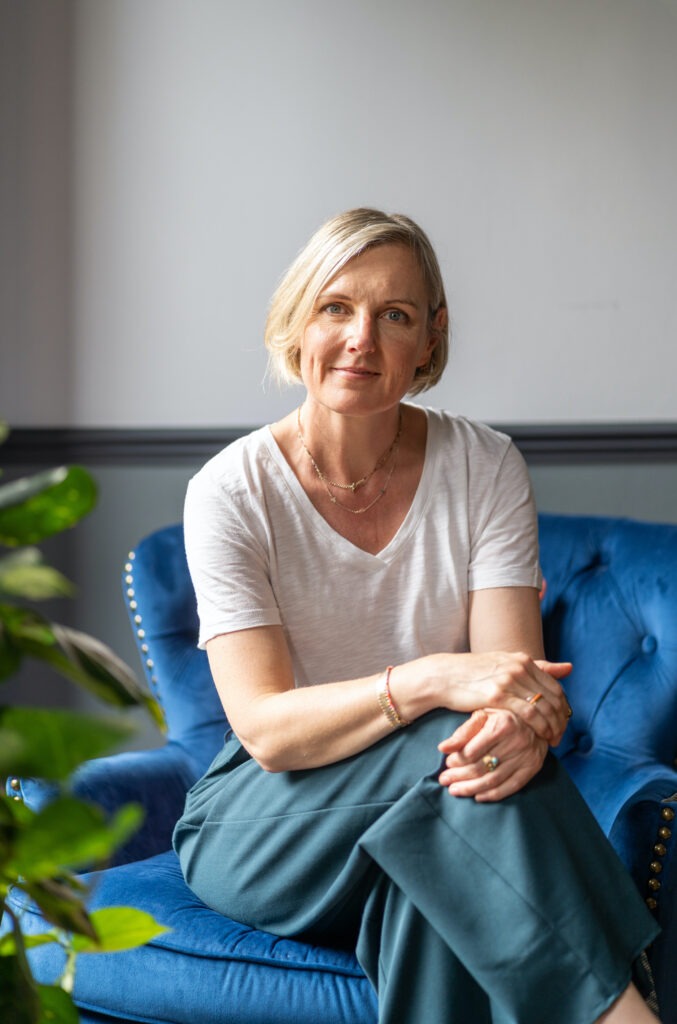
Hello Kate, thank you for sitting down with us today! Tell us about your role as Founder and Head Interior Designer at Kate Lovejoy Interiors. What does a typical day look like?
There is no typical day, but there are a few constants. I always start the morning walking my dog through the fields near home. It is probably the closest thing I have to meditation. It helps me arrive at the day feeling clear and steady. Sometimes I listen to a podcast. Sometimes I just walk. From there, the day tends to move between people, projects and problem-solving. Some days are studio-based: video calls, reviewing drawings, talking through decisions with clients or the team. Other days I am out visiting suppliers, seeing materials in person, or spending time on site as a project takes shape. The thread running through all of it is holding the vision. Making sure the design direction stays clear, that clients feel confident, and that the practical details are serving the bigger picture. It is not a rigid routine, and I like it that way.
So, what initially drew you to interior design as a career?
I came to it after working in film for a number of years, and I loved that time for what it was. Film gave me a real appreciation for atmosphere, storytelling and the emotional power of a space. But as my life became more home-centred, I knew my work needed to evolve too. I still wanted to create. I just wanted to do it closer to home, in a way that could grow around my family.
Interior design felt like a natural next step. The visual language, the mood, the detail. It was all still there. But now I was working more closely with real people and the flow of everyday life. Looking back, the projects I love most now have a lot in common with the ones I valued most in film. Immersive, collaborative, and always rooted in how a space makes people feel.
Do you have a favourite project you’ve worked on so far, and why?
I am never able to name just one. Each project stays with me for different reasons. Sometimes it is the clients and the relationship we build together, sometimes it is the property itself, or the chance to work with
skilled craftspeople and bring specialist makers into the process. What I value most are the projects where there is genuine trust and a shared sense of direction. Those are the ones where the work feels layered and considered, and where the finished home reflects not just a design style, but the people who actually live there. It is usually the combination of people, place and process that makes something memorable.
Not one standout moment, but the whole of it together.
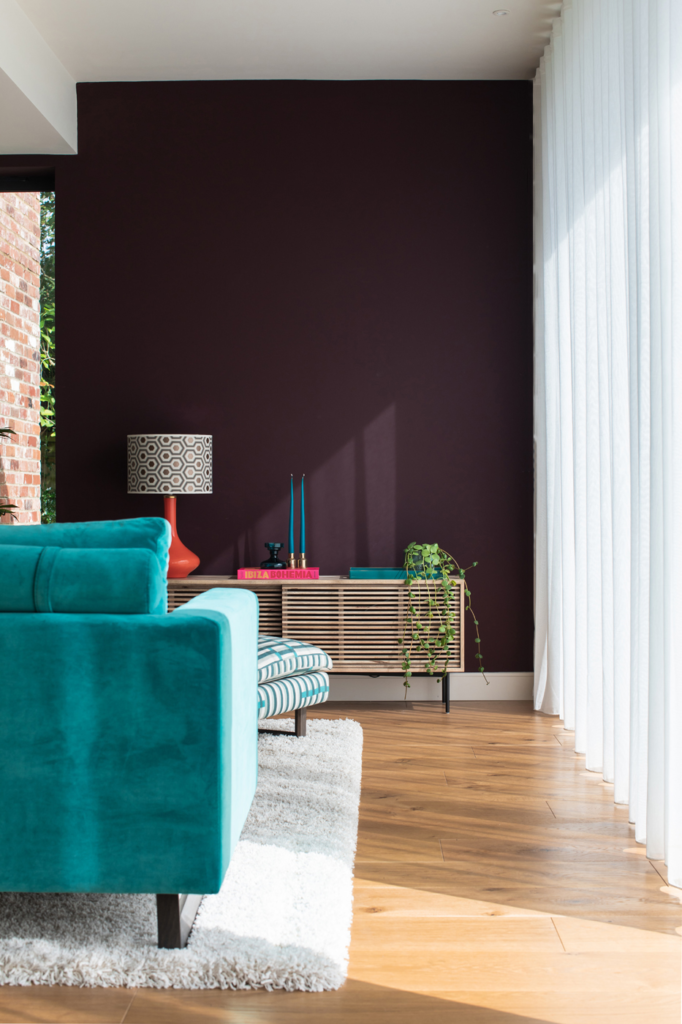
What’s one piece of advice you often give clients at the start of a project?
I do not tend to start with advice. The beginning of a project is more about building trust than telling someone what to do. Most clients arrive with a feeling that something is not quite right in their home, rather than a fully
formed brief. And that is completely fine. My focus early on is understanding how they live, how they want their home to feel, and how confident they feel making decisions. At the same time, they are getting to know me and how I work.
From there, things settle into a natural flow. Once trust is in place, decisions feel easier and the process feels genuinely collaborative. It becomes less about advice and more about moving forward together with clarity.
What’s one habit or routine that keeps you creative?
Visiting art galleries. It is one of my easiest creative wins. I never go with a brief or looking for anything specific. I just like being in visual spaces. Absorbing colour, scale, composition, the way a room makes you feel when you walk into it. The ideas tend to resurface later, often when I am deep in a project and need them most.
I am also drawn to places with colour and character, which is probably why I am always quietly planning the next trip somewhere visually rich. That kind of stimulation keeps my thinking open. It keeps the work feeling fresh!
Is there a design rule you love to follow, or one you enjoy breaking?
I use colour psychology as a starting point rather than a strict rule. It gives clients an easy way into the process. Instead of feeling they need the right words or a fully formed vision, they can simply respond to how they want their home to feel. That shared understanding helps us feel aligned early on, and makes decisions feel far less daunting.
From there, the design can go wherever feels right. Sometimes braver, sometimes quieter. For me, it is less about rules and more about creating clarity at the beginning so that everything that follows feels natural.
What’s a design detail you always notice when you walk into a space?
The feeling before the detail.
There is an energy to a room that you sense before you consciously see anything. You know instinctively whether a space feels calm, unsettled, welcoming or awkward. Even if you cannot immediately say why. Layout plays a huge part in that. How a room flows, how you move through it, how light is allowed to work.
These things have a direct impact on how a space feels to be in.
It is also why people often struggle to articulate what needs to change. The issue is usually emotional rather than decorative. Which makes it less tangible and harder to name. My role is to translate that feeling into clear, practical decisions that improve how a space works and how it feels to live in.
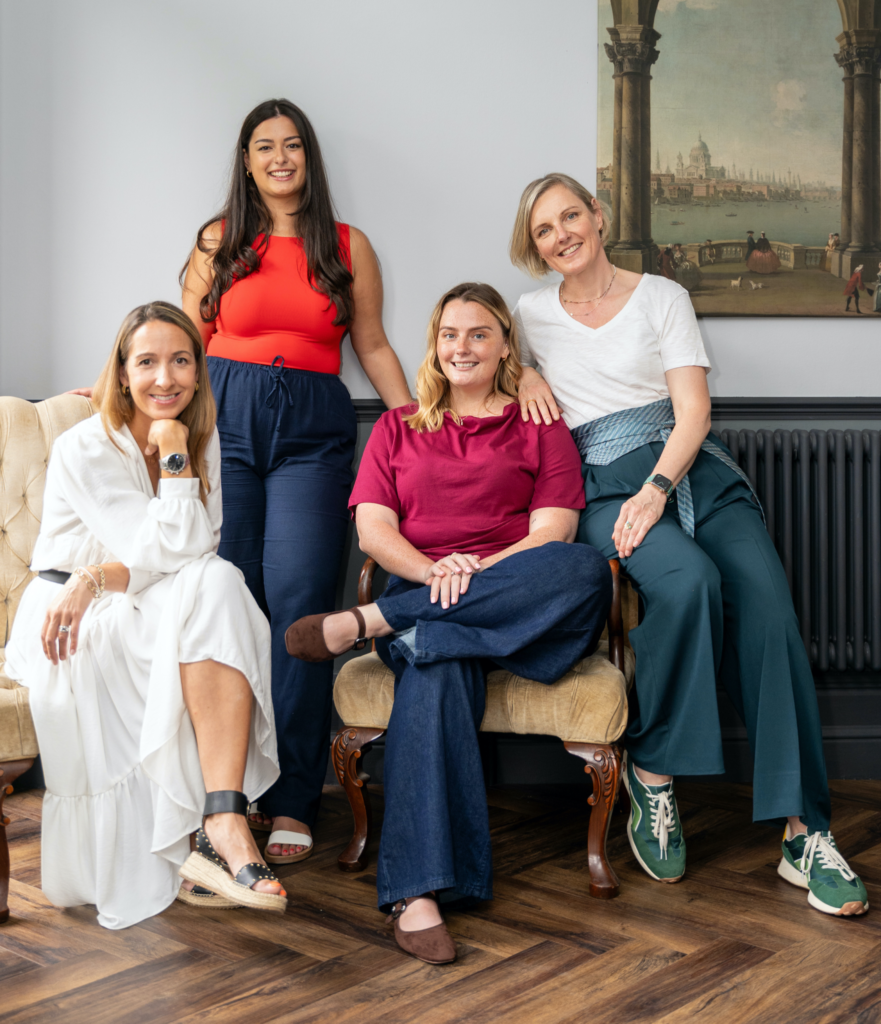
Do you have a favourite place to visit or feel inspired by?
The Royal Academy is my constant. I try to see most of the exhibitions there. I love the journey into London, going on my own, taking my time. Sitting in the café afterwards, watching people. It has become one of those
places I return to again and again without needing a reason. The Summer Exhibition always has an energy to it (and we took a trip for our summer team activiy last year!), but I find I take more from the smaller, quieter shows. There is more space to think. More room to absorb something properly. It gives me inspiration without pressure, which is something I value more and more.
Tell us something people wouldn’t know about running an interior design studio.
I think people are often surprised by just how immersive it is. Running a studio is not only about design decisions. It is about relationships, problem- solving, and holding a great many moving parts at once. You are thinking about people’s homes, their routines, their pressures and their hopes for how they want to live. There is also a depth to the work that sits entirely behind the scenes. You are constantly balancing creativity with responsibility, emotion with practicality, vision with real constraints. That combination is what makes the work so rewarding. It is demanding. But it is also deeply engaging and connective in a way that is hard to explain until you are inside it.
What’s one small thing that brings you joy day to day?
My morning walk.
It is a simple routine, but it gives me something I cannot get anywhere else. Space before the day starts. Being outside, whatever the weather, helps me clear my head and arrive at the morning feeling settled. I feel genuinely lucky to live near open fields and to have built a working life that allows me that time. It sets the tone for everything that follows.
Lastly, what do you think clients value most about working with your studio?
From the feedback we receive, I think it comes down to clarity and reassurance. There is often a lot of excitement at the start of a project, and we lean into that. We help clients articulate what they are aiming for and turn that initial feeling into a direction they can trust.
As things become more complex, and they always do at some point, I think clients value having someone who holds the bigger picture for them. Someone who keeps things steady, guides decisions and takes the weight off their shoulders when it is needed most.
Ultimately, it is about feeling supported from beginning to end. Knowing their home is being thought about carefully, and that they are not navigating it alone.
Continuing the Conversation
I hope this conversation has offered a deeper insight into the thinking, values and intentions that shape our work as a studio.
For me, design has always been about more than aesthetics. It’s about creating homes that feel considered, personal and enduring. Taking the time to reflect on your questions has been a meaningful way to share not only how we work, but why we work the way we do and if anything, a little glimpse into the behind-the-scenes of our day-to-day.
If you’re considering a project and would like to explore how we might bring your vision to life, get in touch to arrange a chat.
You can also read more in our interview with the Society of British and International Interior Design or sign up to our newsletter, Behind The Curtain, for a monthly update.