Style stories
Kate Lovejoy Interiors on Analogue Rooms: Designing Spaces That Encourage Slower Living
Introduction To Analogue Rooms
Analogue rooms are not about being trendy.
They are about feeling better in your own home.
You know that feeling when you sit down to read and somehow end up checking your phone instead? Or when you put music on but never really listen to it?
Analogue rooms exist to interrupt that pattern.
They are spaces designed for one thing- not ten things. Not background noise, just one simple activity that helps you feel present again.
If one room in your house asked nothing from you except to sit and be there, what would that change for you?
What Are Analogue Rooms?
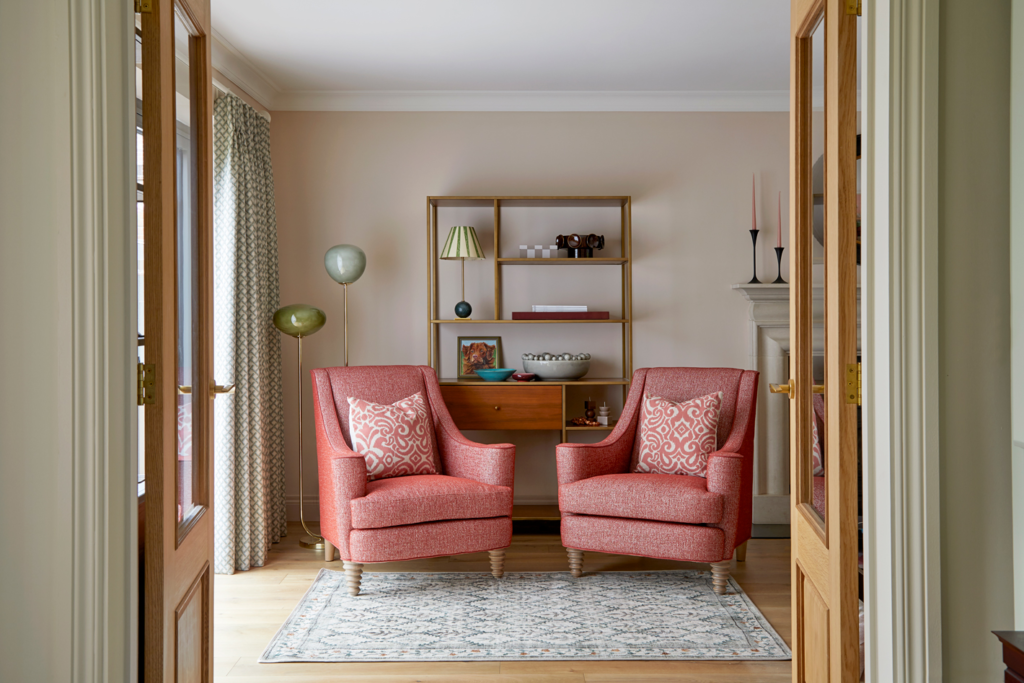
An analogue room is a space designed around a non-digital activity. Reading, listening to music, playing the piano, painting, knitting, talking. It might be an entire room or simply a quiet corner but what defines it is purpose. When a space is arranged with one clear intention, something subtle changes. You enter, put a record on, sit down; there is a small ritual to it. The lighting is softer, the phone stays outside and the atmosphere feels different… not dramatic, just slower. That is the power of an analogue room: it gently guides you back into presence. And you may already have one without realising. A chair by the window you always gravitate towards, a table where you sew, a piano everyone gathers around at Christmas. The transformation happens when you design that space intentionally.
Why This Feels Like a Moment
This is not a niche idea any more.
Vinyl records are back. People are buying film cameras and physical photo albums. There is a real appetite for things that are slower, more tactile, more permanent. We’re hearing it too, more clients are asking how to design spaces that help them switch off and that totally makes sense! The word ‘overstimulation’ has entered our everyday language because the experience is becoming impossible to ignore. Streaming, notifications, endless choice. Our brains are tired. What is interesting is where people are looking for relief. Not a digital detox app or subscription but instead a room, a corner, a chair by the window with no screen in it.
People are beginning to recognise that they need head space. And that a room can give it to them.
The home has always been where we recover. This is just a more intentional version of that.
How to Create One in a Real Home
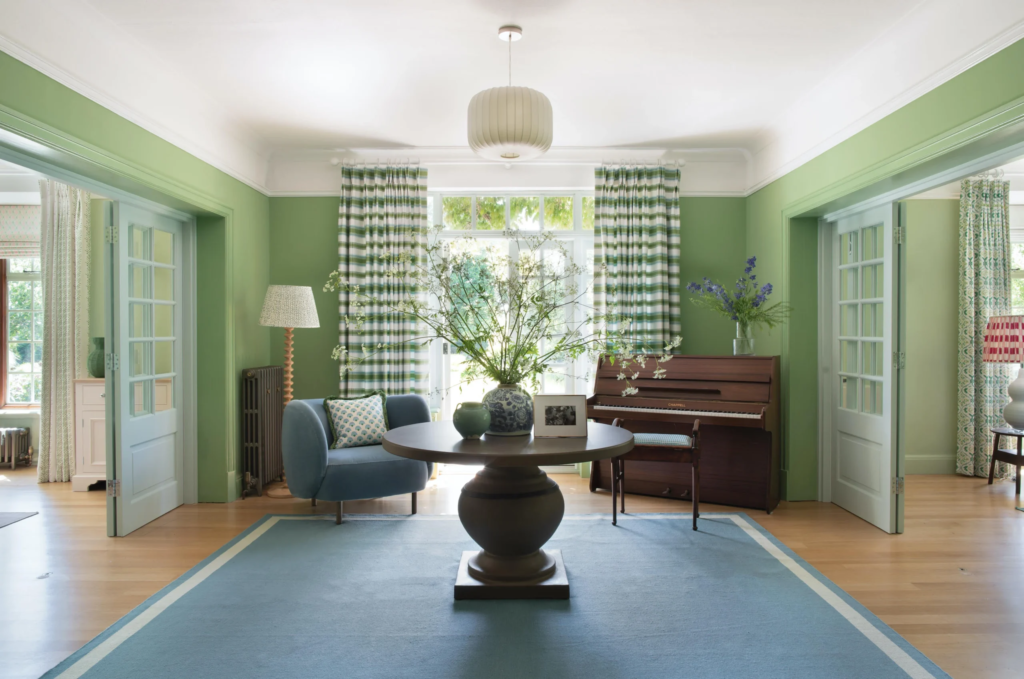
You do not need a spare wing, you just need intention. Start by asking yourself three things:
What do I miss doing?
What do I love but never prioritise?
Where in my house do I already feel calm?
Then build from there.
If it is reading, make the chair better. Add a proper lamp, a small side table, a throw you actually like, a shelf within reach. Books on display do double duty they signal the purpose of the space and make the slower choice easier before you have even sat down.
If it is music, change the layout. Turn the seating inward and remove the screen from the focal point. Store records or instruments properly so they are easy to reach, not hidden away.
When was the last time you listened to an entire album without skipping a track?
If it is craft, let the table stay set up. Not packed away every time.
If it is conversation – proper, unhurried conversation, think about seating that faces each other rather than a shared focal point. Deep, comfortable chairs. Somewhere to put a drink. Small details.
This is where early thinking helps. When you design around how you actually live, the room supports you instead of fighting you. And no, it does not have to look like a magazine spread, it has to feel usable.
The Details That Make It Work
Lighting
Lighting matters more than most people realise. Bright overhead lights keep the brain alert but softer lamps invite you to slow down. In analogue rooms, lights should sit lower – pooling rather than flooding the space. A lamp behind a chair, one on a side table. Moving from overhead to layered lighting alone can change how a room feels at the end of the day.
Colour and atmosphere
Deeper, quieter tones tend to feel more enveloping. They reduce visual noise and help a room settle. That doesn’t necessarily mean dark, a sunny corner with a linen chair and a stack of books can work just as well. The question is not what is fashionable. It is this: does this space help me breathe differently?
Texture
In a world of glass and backlit screens, texture matters. Linen, wool, wood or ceramic. Things you want to reach out and touch. Vintage objects, worn things, books with spines that show their age. These are not decorative choices, they’re sensory ones and they bring you back into the room.
Nature
Plants bring movement, imperfection and a connection to the outside world that technology simply cannot replicate. Even a small amount of greenery changes the quality of a space. It signals life and it asks nothing of you.
If you want support refining colour and atmosphere in a specific room, the Colour and Style Consultation is a good place to start.
A Practical Note on Tech
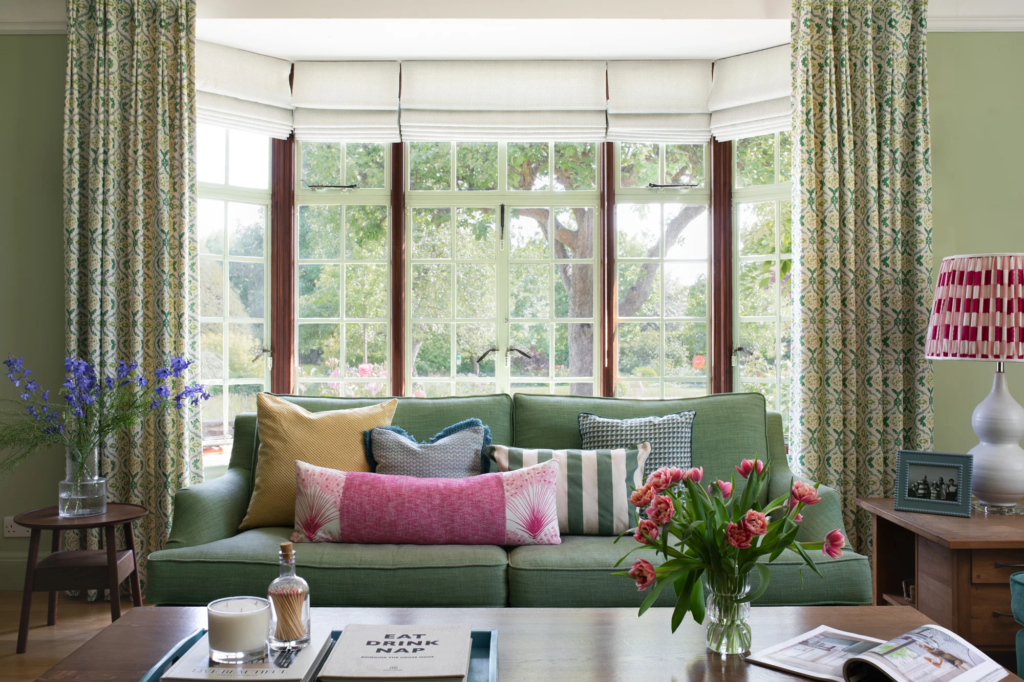
Analogue rooms don’t require removing all technology from your home. They just require keeping it out of one space. A basket outside the door where phones go before entering. A cabinet that closes over the television when it is not in use. A desk hidden behind doors so that when the working day ends, it genuinely ends. Small physical rituals like these do something surprisingly effective. They mark a transition, they tell the brain: this part of the day is different. You can stream films or you can work online. But you can also have one space that feels separate from all of that.
Easy Ways to Try It This Week
You don’t have to renovate anything.
Leave your phone outside one room for a single evening
Move a chair to face a window instead of the television
Turn off the main light and switch on two lamps instead
Put a record on and sit down for the whole side
Set a no-screen hour in one specific space and notice what you reach for instead
Analogue rooms work because they shape habits quietly. They make the slower choice easier. The space does the work, so you do not have to rely on willpower.
Ready To Take The Next Steps?
Ready to Take the Next Steps?
Analogue rooms are not about rejecting technology or living in the past. It is about balance.
A home that regulates you rather than overstimulates you. A space that helps you settle at the end of a day rather than adding to the noise.
Start with one intentional corner. A chair. A lamp. One thing you love doing that does not involve a screen.
See what it changes.
And if you would like help shaping a room that truly supports how you live, get in touch to arrange a chat.
Curious whether Kate Lovejoy Interiors is the right fit for your home? Discover more in our interview with the Society of British and International Interior Design.